immunity
Natural remedies for cold and flu
Chrysanthemum
Chrysanthemum morifolium
Traditionally used —chrysanthemum flower tea, ju hua, is a classic chinese herbal tea traditionally used for tired eyes, headaches and colds. see its history and safety.

Black Pepper
Piper nigrum
Traditionally used —the dried unripe berry of a tropical asian vine, and the most traded spice in the world for most of recorded history. beyond flavor it has a real medicinal role, especially in ayurveda, where it is part of the classic trikatu blend used to kindle digestion. its main compound piperine is now well known for a specific trick: it sharply increases how much the body absorbs of other compounds, which is why it is added to turmeric supplements to make the curcumin usable.

Cayenne
Capsicum annuum
Traditionally used —the dried ground fruit of hot chili peppers, native to the americas and carried worldwide after columbus. its heat comes from capsaicin, a compound with real medicinal use. herbalists have long valued cayenne as a circulatory stimulant, and capsaicin is now the active ingredient in mainstream topical pain creams sold for arthritis and nerve pain.

Strawberry
Fragaria × ananassa
Traditionally used —the common garden strawberry is a modern hybrid of wild species from north america and south america, but wild strawberries and their leaves were used as food and medicine in europe and by native peoples long before. the berries are prized for vitamin c and a deep store of antioxidant polyphenols, while the leaf has a quieter folk history as a mild astringent tea for upset stomach and as a gentle tonic.

Yarrow
Achillea millefolium
Traditionally used —a feathery wild plant named after the greek hero achilles, who reportedly used it to staunch the bleeding of his soldiers at troy. one of the oldest documented wound-healing herbs in european medicine, with neanderthal burial sites showing yarrow among gathered medicinal plants 60,000 years ago. astringent, anti-inflammatory, and circulation-stimulating.

Fig
Ficus carica
Traditionally used —one of the oldest cultivated fruits, grown around the mediterranean and middle east for thousands of years and named throughout ancient and religious texts. the fruit, fresh or dried, is best known as a gentle, reliable laxative, high in fiber and natural sugars. the milky sap, leaves, and fruit also had a long run in folk medicine for skin complaints, sore throats, and coughs.

Goldenseal
Hydrastis canadensis
Traditionally used —a low woodland plant native to the eastern forests of north america, with a knotty bright yellow root that gave it both its name and its old use as a dye. the cherokee and iroquois used the root for skin problems, inflamed eyes, sore mouths, and digestive complaints. it became one of the most prescribed medicinal plants in 19th century american herbalism, a staple of the eclectic physicians who reached for it whenever a mucous membrane was inflamed. that popularity nearly destroyed it. wild goldenseal was dug out of the forests so aggressively that it is now listed as at risk and protected under international trade rules, so only cultivated root should ever be bought.

Apricot
Prunus armeniaca
Traditionally used —a stone fruit native to central asia and china, grown for its sweet orange flesh and, in traditional medicine, for the kernel hidden inside the pit. the dried fruit is a gentle laxative and a rich source of beta carotene and fiber. the kernel is a different and more dangerous story: it has been used in chinese medicine as a cough remedy for centuries, but it also contains amygdalin, a compound that releases cyanide in the body, and it has been at the center of a notorious fake cancer cure.

Blackberry
Rubus fruticosus
Traditionally used —the dark berry of the thorny bramble, common across europe and north america in hedgerows and waste ground. while the berries are eaten as fruit, the older medicine is in the leaf and root, which are strongly astringent and were a standard folk treatment for diarrhea and for sore throats and mouth ulcers. both european and native american healers reached for blackberry root and leaf to tighten and dry an overactive or inflamed gut.

Kiwi
Actinidia deliciosa
Traditionally used —a fuzzy brown fruit with bright green flesh, native to china where it was known as the chinese gooseberry before new zealand growers renamed and popularized it worldwide. it is a quietly impressive fruit, carrying more vitamin c than an orange and backed by some of the better clinical research of any common fruit, specifically for relieving constipation and improving sleep. it also contains actinidin, an enzyme that helps break down protein.
Bell Pepper
Capsicum annuum
Traditionally used —the sweet, crunchy cousin of the chili pepper, the same species without the heat. native to the americas like all peppers, it is mostly a nutrition story rather than a folk medicine, and a strong one: a ripe red bell pepper carries more vitamin c than an orange, along with vitamin a and a load of antioxidants. the color is a clue, since red peppers are simply fully ripened green ones with more nutrients.

Radish
Raphanus sativus
Traditionally used —a pungent root in the cabbage family, eaten and used as medicine from egypt to east asia for thousands of years. its sharp bite signals its two main traditional jobs: aiding digestion, especially of fatty and starchy meals, and clearing phlegm and cough. the black radish and honey cough syrup of eastern europe and the digestive daikon of japan and china are two faces of the same plant.

Tomatillo
Physalis philadelphica
Traditionally used —the tart green fruit wrapped in a papery husk that gives mexican salsa verde its flavor, and a crop older in mesoamerica than the tomato itself. the aztecs cultivated it as a staple, and mexican folk medicine has long used it for sore throats, fevers, and digestive complaints. related husk-fruit species in the physalis family carry compounds that have drawn early scientific interest.
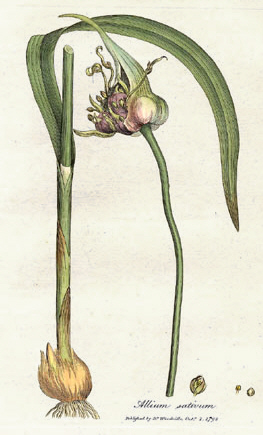
Garlic
Allium sativum
Traditionally used —a pungent bulb used as both food and medicine across nearly every culture on earth. the workers who built the egyptian pyramids ate it daily, and modern research validates what ancient peoples knew about its cardiovascular and immune benefits.

Scallions
Allium fistulosum
Traditionally used —the green onion, mild cousin of the bulb onion, and in chinese medicine a genuine first-line remedy for the common cold. the white base, called cong bai, is simmered into a hot broth and drunk at the very first sign of a cold to warm the body and induce a light sweat that helps break the illness early. like all onions and garlic, scallions carry antimicrobial sulfur compounds.

Oregano
Origanum vulgare
Traditionally used —a mediterranean herb famous in italian and greek cooking, but also one of the most antimicrobial plants in the kitchen. used since ancient greece for wounds, infections, and digestive complaints. oregano oil has become a major modern natural antimicrobial.

Mullein
Verbascum thapsus
Traditionally used —a tall plant with soft fuzzy gray-green leaves and a yellow flower spike. used since ancient greece for lung complaints, coughs, and ear infections. one of the most reliable traditional respiratory herbs, with mucilage that coats and soothes irritated airways. the leaves are so soft they have been used as natural toilet paper across multiple cultures.

Lemon
Citrus limon
Traditionally used —one of the most universally used culinary and medicinal fruits in the world. originally from south asia, lemons spread through the middle east into europe by way of arab traders and crusaders, and across the americas via spanish and portuguese colonization. famous for preventing scurvy on long sea voyages, but the medicinal applications go far beyond vitamin c.

Loquat
Eriobotrya japonica
Traditionally used —a small orange-yellow fruit native to southeastern china and cultivated for over a thousand years across china, japan, korea, and the mediterranean. closely related to apples and pears (rosaceae family). famous as the basis of pi pa gao, a chinese herbal cough syrup made from the leaves, one of the most universally used traditional remedies for cough in chinese medicine. the fruit is sweet-tart and the leaves are equally medicinal.

Slippery Elm
Ulmus rubra
Traditionally used —a north american tree whose inner bark turns slick and gel-like the moment it meets water. that gel, called mucilage, is the whole point of the plant. native peoples of the eastern woodlands scraped the inner bark, dried it, and used it as food during famine and as medicine for sore throats, upset stomachs, coughs, and wounds. it was reliable enough that it became a survival staple, and george washingtons troops at valley forge reportedly ate it to get through the winter. settlers picked it up fast, and it became one of the steadiest household remedies in early america for anything raw or inflamed, inside or out.

Astragalus
Astragalus mongholicus
Traditionally used —a yellow-rooted member of the bean family from northern china and mongolia, and one of the most important tonic herbs in traditional chinese medicine. its chinese name huang qi means yellow leader, a nod to both the color of the root and its rank among qi tonics. for two thousand years it has been the go-to herb for building up people who are run down, recovering from illness, or prone to catching every cold that goes around. it is almost always cooked into soups and broths rather than taken as a quick remedy, because its job is slow strengthening rather than fast symptom relief. modern interest centers on its immune and anti-fatigue effects.

Mustard
Brassica nigra
Traditionally used —the pungent seed of plants in the cabbage family, used both as a condiment and, historically, as one of the most common household medicines in europe. the mustard plaster, a paste of ground seed applied to the chest or aching joints, was a standard treatment for congestion and pain for centuries. it works as a counterirritant, drawing blood to the surface and creating warmth that eases deeper aches.

Orange
Citrus sinensis
Traditionally used —the sweet orange is one of the most important fruits in the world and the household symbol of vitamin c. originally a hybrid cultivated in china, it spread along trade routes and became central to diets and folk medicine across the mediterranean, the americas, and beyond. its main medicinal claim is real and historic: oranges and other citrus prevented scurvy on long sea voyages, one of the first clear victories of nutrition over disease.

Lime
Citrus aurantiifolia
Traditionally used —a small sour citrus fruit grown throughout the tropics, used as heavily in medicine and household life as in cooking. like other citrus it is a strong source of vitamin c and was used to prevent scurvy, which is the origin of the nickname limey for british sailors. across the caribbean, latin america, africa, and south asia, lime juice is a daily remedy for digestion, colds, and as a cleansing wash, and cape verdean and west african kitchens lean on it heavily.

Pear
Pyrus communis
Traditionally used —a sweet, juicy fruit grown across europe and asia, gentle enough that it is often one of the first fruits given to babies. its most distinctive medicinal use comes from chinese tradition, where the pear is considered cooling and moistening for the lungs, and steamed pear with rock sugar is a classic home remedy for a dry, irritating cough and sore throat. the flesh is also a good, gentle source of fiber for the digestion.

Elderberry
Sambucus nigra
Traditionally used —a small dark purple berry from a tree long considered sacred in european folklore. the medicine cabinet of country people for centuries. clinical research has caught up with the tradition.

Echinacea
Echinacea purpurea, Echinacea angustifolia
Traditionally used —a north american prairie flower that became one of the most iconic immune-supportive herbs in modern western herbalism. originally used by plains tribes for snakebite, infections, and wounds.

Onion
Allium cepa
Traditionally used —the everyday cooking onion is also one of the most widely used folk medicines in the world. the classic remedy is onion-and-honey cough syrup, made by drawing the juice out of sliced onion with honey or sugar, taken by the spoonful for coughs and sore throats. raw onion poultices were laid on the chest and feet for colds. behind the tradition sits real chemistry: onions are loaded with quercetin and sulfur compounds with antioxidant, antimicrobial, and heart effects.