hair
Natural remedies for hair loss and thinning
Plants used in traditional care for thinning hair, shedding and scalp health, plus the few with real research behind them. Sudden or patchy hair loss can have medical causes worth checking with a doctor.

Pumpkin
Cucurbita pepo
Traditionally used —a new world squash whose bright flesh is good beta-carotene nutrition, but whose real medicine sits in the seed. the pepita has a long, documented history as a traditional dewormer, paralyzing intestinal worms so the body can expel them, and modern research has turned to pumpkin seed and its oil for prostate and bladder symptoms. the seeds are also a dense source of zinc and magnesium.

Rosemary
Salvia rosmarinus
Traditionally used —an aromatic evergreen shrub whose latin name means dew of the sea, a nod to the mediterranean coasts where it grows wild. used since ancient times for memory, circulation, and as a symbol of remembrance.

Onion
Allium cepa
Traditionally used —the everyday cooking onion is also one of the most widely used folk medicines in the world. the classic remedy is onion-and-honey cough syrup, made by drawing the juice out of sliced onion with honey or sugar, taken by the spoonful for coughs and sore throats. raw onion poultices were laid on the chest and feet for colds. behind the tradition sits real chemistry: onions are loaded with quercetin and sulfur compounds with antioxidant, antimicrobial, and heart effects.
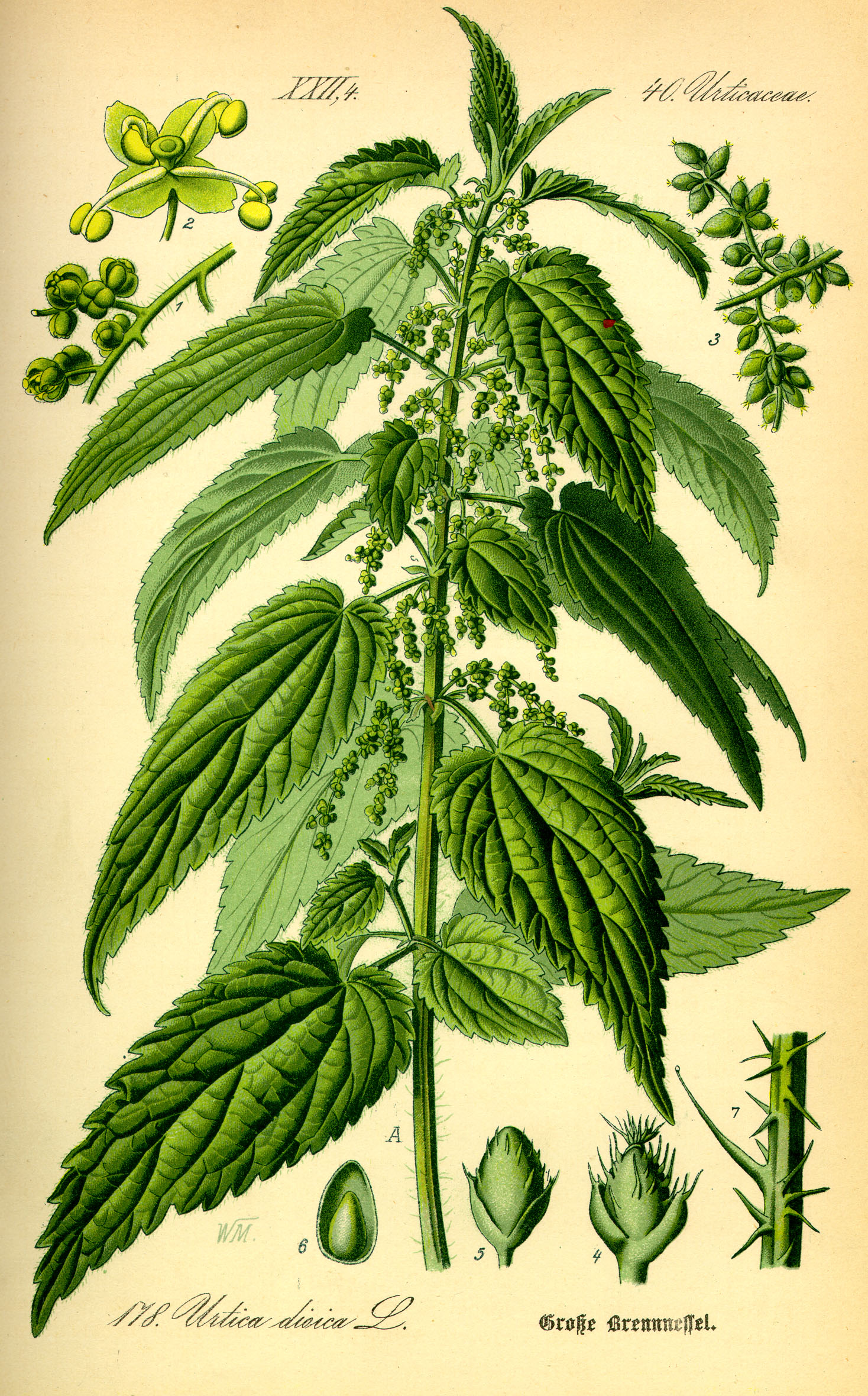
Nettle
Urtica dioica
Traditionally used —the plant that stings you in the woods is also one of the most nutrient-dense and clinically validated herbs in european folk medicine. used since neolithic times for allergies, joint pain, anemia, and as a spring tonic. once cooked or dried, the stinging hairs become harmless and reveal a mineral-rich, anti-inflammatory medicine.

Coconut
Cocos nucifera
Traditionally used —the fruit of the coconut palm, grown across every tropical coast and used so completely that almost nothing is wasted. the water rehydrates, the white flesh feeds, the pressed oil goes on skin and hair and into cooking, and the shell and husk become tools and fuel. in ayurveda, caribbean, west african, and cape verdean practice the various parts have long been used for hydration, skin care, oral health, and digestion. it is one of the most marketed health foods of the last twenty years, which means the real benefits are mixed in with a lot of hype.

Hibiscus
Hibiscus sabdariffa
Traditionally used —a deep-red flowering plant whose tart calyces have been brewed into healing teas across five continents. originally african, now central to traditions from sudan to mexico.

Sesame
Sesamum indicum
Traditionally used —one of the oldest oilseed crops, domesticated in africa and india, and central to ayurvedic self-care, where sesame oil is the primary oil for warm massage, oil pulling, and nasal care. the seeds are notably rich in calcium and in lignans called sesamin, plant compounds studied for cholesterol and blood pressure. it is a deeply traditional food and medicine, and also one of the most significant food allergens.