digestive
Natural remedies for indigestion

Mango
Mangifera indica
Traditionally used —the most cultivated tropical fruit in the world, native to south asia and grown for over four thousand years across the indian subcontinent. called the king of fruits in india, mango carries deep cultural and religious significance: mentioned in vedic texts, depicted in buddhist art, and used in hindu temple offerings. nearly every part of the tree has medicinal use in ayurveda, with the fruit, leaves, bark, seed, and unripe fruit all having distinct applications.

Tomatillo
Physalis philadelphica
Traditionally used —the tart green fruit wrapped in a papery husk that gives mexican salsa verde its flavor, and a crop older in mesoamerica than the tomato itself. the aztecs cultivated it as a staple, and mexican folk medicine has long used it for sore throats, fevers, and digestive complaints. related husk-fruit species in the physalis family carry compounds that have drawn early scientific interest.

Goldenseal
Hydrastis canadensis
Traditionally used —a low woodland plant native to the eastern forests of north america, with a knotty bright yellow root that gave it both its name and its old use as a dye. the cherokee and iroquois used the root for skin problems, inflamed eyes, sore mouths, and digestive complaints. it became one of the most prescribed medicinal plants in 19th century american herbalism, a staple of the eclectic physicians who reached for it whenever a mucous membrane was inflamed. that popularity nearly destroyed it. wild goldenseal was dug out of the forests so aggressively that it is now listed as at risk and protected under international trade rules, so only cultivated root should ever be bought.

Cauliflower
Brassica oleracea var. botrytis
Traditionally used —a pale member of the cabbage family, grown from the same wild plant as broccoli, kale, and cabbage. it is mostly an everyday vegetable rather than a traditional medicine, valued for vitamin c, fiber, and the same family of cancer-studied compounds, glucosinolates, that its cousins carry, though in smaller amounts than broccoli. its low carbohydrate content has made it a popular stand-in for rice and potatoes.

Walnut
Juglans regia
Traditionally used —the walnut, juglans regia, has been grown from persia to china for thousands of years. old herbals tied it to the brain. research points more to the heart.

Boswellia
Boswellia serrata
Traditionally used —the resin of a gnarled tree native to the dry hill country of india, tapped from the bark much like maple syrup. this is the indian cousin of the frankincense burned as incense, but here the resin is taken internally as one of ayurvedas main remedies for joint and inflammatory complaints. ayurvedic physicians have used it for well over a thousand years under the name shallaki, mainly for arthritis, stiff joints, and inflamed tissue. modern supplement makers sell it as a standardized extract because its anti-inflammatory compounds, the boswellic acids, are now some of the better-studied plant chemicals for joint pain.
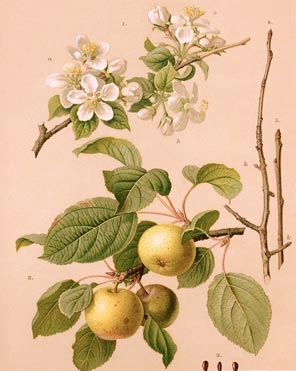
Crab Apple
Malus sylvestris
Traditionally used —the wild ancestor of the cultivated apple, native to europe and central asia. smaller, harder, more sour, and far higher in pectin and polyphenols than modern eating apples. used since prehistoric times across europe for digestive complaints, wound healing, and as a key ingredient in cider, verjuice, and folk remedies. one of the nine plants of the anglo-saxon nine herbs charm, where it is usually identified with the plant called wergulu.

Scallions
Allium fistulosum
Traditionally used —the green onion, mild cousin of the bulb onion, and in chinese medicine a genuine first-line remedy for the common cold. the white base, called cong bai, is simmered into a hot broth and drunk at the very first sign of a cold to warm the body and induce a light sweat that helps break the illness early. like all onions and garlic, scallions carry antimicrobial sulfur compounds.

Dragonfruit
Selenicereus undatus
Traditionally used —a striking magenta-pink fruit growing on a climbing cactus native to mexico and central america, now cultivated across vietnam, thailand, and southern china where it has become a major commercial crop. the flesh is white or red with small edible black seeds, often compared to kiwi in texture but milder in flavor. famous on social media but nutritionally substantive, providing prebiotic fiber, vitamin c, and unique betalain pigments (in red-fleshed varieties).

Strawberry
Fragaria × ananassa
Traditionally used —the common garden strawberry is a modern hybrid of wild species from north america and south america, but wild strawberries and their leaves were used as food and medicine in europe and by native peoples long before. the berries are prized for vitamin c and a deep store of antioxidant polyphenols, while the leaf has a quieter folk history as a mild astringent tea for upset stomach and as a gentle tonic.

Cinnamon
Cinnamomum verum
Traditionally used —a warm aromatic bark from a small evergreen tree native to sri lanka. one of the oldest known spices, traded across continents long before recorded history. ceylon cinnamon is the true cinnamon, distinct from the common cassia variety.

Basil
Ocimum basilicum
Traditionally used —a mediterranean culinary herb used for over 3000 years across italian, greek, indian, and southeast asian cooking. less famous as medicine than its sister plant holy basil, but with real digestive, antimicrobial, and anti-inflammatory uses documented across traditions.

Bay Leaf
Laurus nobilis
Traditionally used —the leaves of the mediterranean laurel tree, sacred to ancient greeks and used as victory crowns for olympic champions and roman emperors. the same leaves that crowned caesar are dropped into pots of stew today. quietly medicinal beyond the kitchen, with real research on blood sugar regulation.

Dandelion
Taraxacum officinale
Traditionally used —the lawn weed that herbalists call medicine. every part is edible and medicinal: leaves are a mineral-rich diuretic, root supports liver function, and flowers are made into wine. used across europe, china, and the americas for liver, kidney, and digestion. one of the most clinically active common weeds in the world.

Catnip
Nepeta cataria
Traditionally used —a member of the mint family, famously intoxicating to cats but quietly used by humans for centuries as a gentle calming herb. native to europe and central asia, now naturalized worldwide. used since the time of dioscorides for sleep, anxiety, fever, and digestive complaints. one of the safest and most reliable traditional herbs for children, used across european tradition for colic, restlessness, and minor fevers.

Mugwort
Artemisia vulgaris
Traditionally used —a tall silvery-green plant with deeply cut leaves and a bitter aromatic scent, found growing wild along roadsides and waste places across nearly the entire northern hemisphere. one of the oldest and most universally used herbs in human history, prized in european, chinese, japanese, and native american traditions for protection, digestion, and dreams.

Hibiscus
Hibiscus sabdariffa
Traditionally used —a deep-red flowering plant whose tart calyces have been brewed into healing teas across five continents. originally african, now central to traditions from sudan to mexico.

Quenepa
Melicoccus bijugatus
Traditionally used —a small green caribbean fruit with sweet-tart flesh around a big seed. folk medicine in the caribbean and south america used it mostly for diarrhea.

Pumpkin
Cucurbita pepo
Traditionally used —a new world squash whose bright flesh is good beta-carotene nutrition, but whose real medicine sits in the seed. the pepita has a long, documented history as a traditional dewormer, paralyzing intestinal worms so the body can expel them, and modern research has turned to pumpkin seed and its oil for prostate and bladder symptoms. the seeds are also a dense source of zinc and magnesium.

Turmeric
Curcuma longa
Traditionally used —A golden rhizome that has anchored Indian medicine and cuisine for over 4,000 years. Its primary active compound, curcumin, is one of the most-studied plant compounds in modern research.

Pear
Pyrus communis
Traditionally used —a sweet, juicy fruit grown across europe and asia, gentle enough that it is often one of the first fruits given to babies. its most distinctive medicinal use comes from chinese tradition, where the pear is considered cooling and moistening for the lungs, and steamed pear with rock sugar is a classic home remedy for a dry, irritating cough and sore throat. the flesh is also a good, gentle source of fiber for the digestion.

Peach
Prunus persica
Traditionally used —a stone fruit native to china, where it is an ancient symbol of long life and the kernel inside the pit is a recognized medicine. the sweet flesh is ordinary good fruit, rich in vitamins and fiber. the deeper tradition is in chinese medicine, where the kernel, called tao ren, has been used for centuries to move stagnant blood and ease constipation, always in small measured amounts within balanced formulas.

Chamomile
Matricaria chamomilla
Traditionally used —a small daisy-like flower that has soothed digestive and nervous complaints for over two thousand years. the bedtime tea your grandmother knew, backed by research.

Broccoli
Brassica oleracea var. italica
Traditionally used —an italian-bred member of the cabbage family that has become the flagship of cancer-prevention nutrition research. broccoli, and even more so its young sprouts, is the leading dietary source of sulforaphane, a compound that switches on the body own protective and detoxifying enzymes. it is one of the few common vegetables where the laboratory science genuinely backs the healthy reputation, even if the human outcomes are still being worked out.

Orange
Citrus sinensis
Traditionally used —the sweet orange is one of the most important fruits in the world and the household symbol of vitamin c. originally a hybrid cultivated in china, it spread along trade routes and became central to diets and folk medicine across the mediterranean, the americas, and beyond. its main medicinal claim is real and historic: oranges and other citrus prevented scurvy on long sea voyages, one of the first clear victories of nutrition over disease.

Lime
Citrus aurantiifolia
Traditionally used —a small sour citrus fruit grown throughout the tropics, used as heavily in medicine and household life as in cooking. like other citrus it is a strong source of vitamin c and was used to prevent scurvy, which is the origin of the nickname limey for british sailors. across the caribbean, latin america, africa, and south asia, lime juice is a daily remedy for digestion, colds, and as a cleansing wash, and cape verdean and west african kitchens lean on it heavily.

Apricot
Prunus armeniaca
Traditionally used —a stone fruit native to central asia and china, grown for its sweet orange flesh and, in traditional medicine, for the kernel hidden inside the pit. the dried fruit is a gentle laxative and a rich source of beta carotene and fiber. the kernel is a different and more dangerous story: it has been used in chinese medicine as a cough remedy for centuries, but it also contains amygdalin, a compound that releases cyanide in the body, and it has been at the center of a notorious fake cancer cure.

Lemon Balm
Melissa officinalis
Traditionally used —lemon balm is a lemon-scented mint used in european and persian folk medicine for stress, sleep and digestion. see its history, research, dosage and safety.

Cilantro
Coriandrum sativum
Traditionally used —one of the oldest documented culinary herbs, with seeds found in ancient egyptian tombs over 3000 years old. the fresh leaves (cilantro) and dried seeds (coriander) come from the same plant but have very different flavor and use profiles. used across nearly every traditional food culture in the world for digestion, detoxification, and as a flavoring.

Papaya
Carica papaya
Traditionally used —a tropical fruit native to central america and southern mexico, now grown across the tropical world. famous in modern medicine for papain, a protein-digesting enzyme extracted from the unripe fruit and used in commercial meat tenderizers, digestive supplements, and wound debridement products. nearly every part of the papaya tree has traditional medicinal use across mesoamerican, caribbean, african, and southeast asian folk traditions.

Tamarind
Tamarindus indica
Traditionally used —a tropical tree whose tart, sweet-sour fruit pulp is used as both food and medicine across africa, asia, the caribbean, and cape verde. used for digestion, fever, and as a gentle laxative for thousands of years.

Marshmallow Root
Althaea officinalis
Traditionally used —a soft, mucilaginous root from a european flowering plant whose name and ancient confection eventually became the modern marshmallow candy (though modern marshmallows contain none of the actual plant). used for over 2000 years to soothe inflamed tissues throughout the digestive and respiratory tracts.

Cardamom
Elettaria cardamomum
Traditionally used —a fragrant spice from the ginger family, native to the western ghats of southern india and now cultivated across guatemala, sri lanka, and tanzania. one of the most expensive spices in the world by weight, traded across the spice routes since ancient times. used in ayurveda for over three thousand years for digestion, breath, and respiratory complaints. central to indian, middle eastern, and scandinavian cooking, and one of the most clinically validated digestive herbs.

Mandarin
Citrus reticulata
Traditionally used —a small sweet citrus fruit native to southern china, cultivated for over 4000 years and central to chinese culture, agriculture, and medicine. the dried peel, called chen pi, is one of the most frequently prescribed herbs in traditional chinese medicine, found in thousands of classical formulas. the fresh fruit is among the most consumed citrus globally and a staple of chinese new year celebrations.

Black Pepper
Piper nigrum
Traditionally used —the dried unripe berry of a tropical asian vine, and the most traded spice in the world for most of recorded history. beyond flavor it has a real medicinal role, especially in ayurveda, where it is part of the classic trikatu blend used to kindle digestion. its main compound piperine is now well known for a specific trick: it sharply increases how much the body absorbs of other compounds, which is why it is added to turmeric supplements to make the curcumin usable.

Banana
Musa acuminata
Traditionally used —one of the most eaten fruits on earth, originally from southeast asia and now grown across every tropical region. beyond being a convenient food it has a real place in folk medicine, mostly for digestion and as a steady source of potassium. ripe bananas are a classic gentle food for an upset stomach, and green or unripe bananas have a documented effect on diarrhea. the peel and the plant itself also turn up in traditional skin and wound remedies.

Blackberry
Rubus fruticosus
Traditionally used —the dark berry of the thorny bramble, common across europe and north america in hedgerows and waste ground. while the berries are eaten as fruit, the older medicine is in the leaf and root, which are strongly astringent and were a standard folk treatment for diarrhea and for sore throats and mouth ulcers. both european and native american healers reached for blackberry root and leaf to tighten and dry an overactive or inflamed gut.

Date
Phoenix dactylifera
Traditionally used —the fruit of the date palm, one of the oldest cultivated foods in the world and a staple of the middle east and north africa for thousands of years. dates are dense in natural sugars and minerals, which made them a portable strength food for travelers and a traditional remedy for weakness, anemia, and constipation. they hold a special place in islamic tradition as the food for breaking a fast, and they have surprisingly modern research behind their use in late pregnancy.

Radish
Raphanus sativus
Traditionally used —a pungent root in the cabbage family, eaten and used as medicine from egypt to east asia for thousands of years. its sharp bite signals its two main traditional jobs: aiding digestion, especially of fatty and starchy meals, and clearing phlegm and cough. the black radish and honey cough syrup of eastern europe and the digestive daikon of japan and china are two faces of the same plant.

Chia
Salvia hispanica
Traditionally used —the tiny seed of a mexican sage, a staple energy food of the aztecs and maya who fed it to warriors and long-distance runners. dropped in water it swells into a gel, the visible sign of its very high soluble fiber. chia is one of the richest plant sources of omega-3 fats and a solid source of protein and calcium, which is why it went from ancient ration to modern health-food shelf.

Pineapple
Ananas comosus
Traditionally used —a tropical fruit native to south america, spread by indigenous peoples across the americas and carried worldwide after european contact. beyond its sweetness it is the main natural source of bromelain, a group of protein-digesting enzymes with real medicinal use. tropical folk medicine used the juice and flesh for digestion, sore throats, wounds, and intestinal worms. modern interest centers almost entirely on bromelain.

Plum
Prunus domestica
Traditionally used —the plum, and especially the dried plum or prune, is one of the most reliable and best-proven natural remedies for constipation there is. fresh plums are juicy fruit, but drying concentrates the fiber and sorbitol that loosen the bowel. beyond the laxative use, wu mei, the smoked fruit of a related asian species, prunus mume, is a traditional chinese remedy for chronic cough and diarrhea, and growing research links prunes to better bone density.

Dill
Anethum graveolens
Traditionally used —a feathery mediterranean herb whose leaf and seed are both used, the seed being the more medicinal part. its single most famous use is as the original gripe water: dill seed water was the standard household remedy for colicky babies and for adult gas and indigestion for generations, and dill still appears in commercial gripe waters today.

Cabbage
Brassica oleracea var. capitata
Traditionally used —a dense leafy head from the cabbage family, one of the oldest vegetables in europe and one of the few common foods with several genuine, non-folkloric medicinal uses. cooled cabbage leaves wrapped around a swollen, sore breast or an inflamed joint are a recognized remedy for engorgement and pain. raw cabbage juice was studied in the 1950s for healing stomach ulcers. fermented as sauerkraut, it becomes a source of gut-friendly bacteria.

Coriander
Coriandrum sativum
Traditionally used —the dried seed of the same plant that gives us cilantro leaf, but used as a separate spice with its own warm citrusy flavor and its own medicinal role. one of the oldest cultivated spices, found in egyptian tombs and used throughout the ancient mediterranean as a digestive and preservative. the seed settles the stomach where the fresh leaf is used more as a food.

Cumin
Cuminum cyminum
Traditionally used —a small aromatic seed cultivated in the eastern mediterranean and egypt since antiquity, and one of the oldest spices in continuous use. it traveled the ancient trade routes into india, where it became a cornerstone digestive spice. roasted cumin water, known as jeera water, is a common household drink across south asia for an upset or sluggish stomach.

Fennel
Foeniculum vulgare
Traditionally used —an aromatic mediterranean plant whose seeds and bulb have been used for over 4000 years across europe, north africa, india, and the iberian colonial diaspora. famous for soothing digestion and calming colicky babies. central to portuguese folk medicine and brought to cape verde during colonization, where it became a household staple.

Flaxseed
Linum usitatissimum
Traditionally used —one of the oldest crops in the world, grown for its fiber and its oil-rich seed since the dawn of agriculture. as a remedy it is unusually well backed: the soluble fiber relieves constipation and lowers cholesterol, the seed is the richest food source of lignans, plant compounds with mild hormonal activity studied for menopause, and the oil is high in the omega-3 fat called ALA. the one catch is that the seed must be ground, since whole flaxseed passes through undigested.
Triphala
Terminalia chebula, Terminalia bellirica, Phyllanthus emblica
Traditionally used —the most widely used formula in all of ayurveda, and one of the oldest, with written use going back more than two thousand years. the name means three fruits, and that is exactly what it is: equal parts of three dried fruits, amalaki (indian gooseberry), bibhitaki, and haritaki, ground to a powder. ayurvedic tradition holds that the three together balance all three doshas, which is the practical reason it became the everyday tonic that almost every household and physician kept on hand. its main reputation is as a gentle bowel regulator and digestive tonic that can be taken long term without the dependency problems of harsh laxatives.

Ginger
Zingiber officinale
Traditionally used —a warming rhizome used for thousands of years across asia for digestion, nausea, and inflammation. one of the most clinically validated herbs in modern research.

Slippery Elm
Ulmus rubra
Traditionally used —a north american tree whose inner bark turns slick and gel-like the moment it meets water. that gel, called mucilage, is the whole point of the plant. native peoples of the eastern woodlands scraped the inner bark, dried it, and used it as food during famine and as medicine for sore throats, upset stomachs, coughs, and wounds. it was reliable enough that it became a survival staple, and george washingtons troops at valley forge reportedly ate it to get through the winter. settlers picked it up fast, and it became one of the steadiest household remedies in early america for anything raw or inflamed, inside or out.

Peppermint
Mentha × piperita
Traditionally used —a hybrid mint with high menthol content. used since ancient times for digestion, headaches, and respiratory complaints.

Kiwi
Actinidia deliciosa
Traditionally used —a fuzzy brown fruit with bright green flesh, native to china where it was known as the chinese gooseberry before new zealand growers renamed and popularized it worldwide. it is a quietly impressive fruit, carrying more vitamin c than an orange and backed by some of the better clinical research of any common fruit, specifically for relieving constipation and improving sleep. it also contains actinidin, an enzyme that helps break down protein.

Fig
Ficus carica
Traditionally used —one of the oldest cultivated fruits, grown around the mediterranean and middle east for thousands of years and named throughout ancient and religious texts. the fruit, fresh or dried, is best known as a gentle, reliable laxative, high in fiber and natural sugars. the milky sap, leaves, and fruit also had a long run in folk medicine for skin complaints, sore throats, and coughs.