nutrition
Natural remedies for low iron
Plant foods highest in iron. Plant iron absorbs better when eaten with vitamin C. Ongoing fatigue from low iron should be checked with a blood test.

Spirulina
Arthrospira platensis
Traditionally used —a microscopic spiral-shaped blue-green algae growing in warm alkaline lakes across mexico, africa, and asia. eaten as a daily food by the aztec people of lake texcoco for centuries before european contact, and traditionally harvested by the kanembu people around lake chad in west africa, who still produce a dried cake called dihe. one of the most nutritionally dense foods on earth, gram for gram, and a serious medicinal substance with strong research support across multiple conditions.

Spinach
Spinacia oleracea
Traditionally used —a leafy green that began in ancient persia and spread through the arab world into india, china, and europe. it is genuinely nutrient-dense, but its old reputation as an iron powerhouse is overstated. the iron is there, but oxalates in the leaf bind much of it so the body absorbs only a fraction. where spinach really earns its place is in vitamin k, folate, the eye-protecting pigment lutein, and natural nitrates that gently support blood pressure.

Sesame
Sesamum indicum
Traditionally used —one of the oldest oilseed crops, domesticated in africa and india, and central to ayurvedic self-care, where sesame oil is the primary oil for warm massage, oil pulling, and nasal care. the seeds are notably rich in calcium and in lignans called sesamin, plant compounds studied for cholesterol and blood pressure. it is a deeply traditional food and medicine, and also one of the most significant food allergens.

Pumpkin
Cucurbita pepo
Traditionally used —a new world squash whose bright flesh is good beta-carotene nutrition, but whose real medicine sits in the seed. the pepita has a long, documented history as a traditional dewormer, paralyzing intestinal worms so the body can expel them, and modern research has turned to pumpkin seed and its oil for prostate and bladder symptoms. the seeds are also a dense source of zinc and magnesium.
Moringa Leaf
leafMoringa oleifera
Traditionally used —a fast-growing tree whose leaves, pods, and seeds are among the most nutrient-dense foods on earth. native to india and now cultivated across africa, the caribbean, and cape verde where it is called acacia branca and used as both food and medicine.
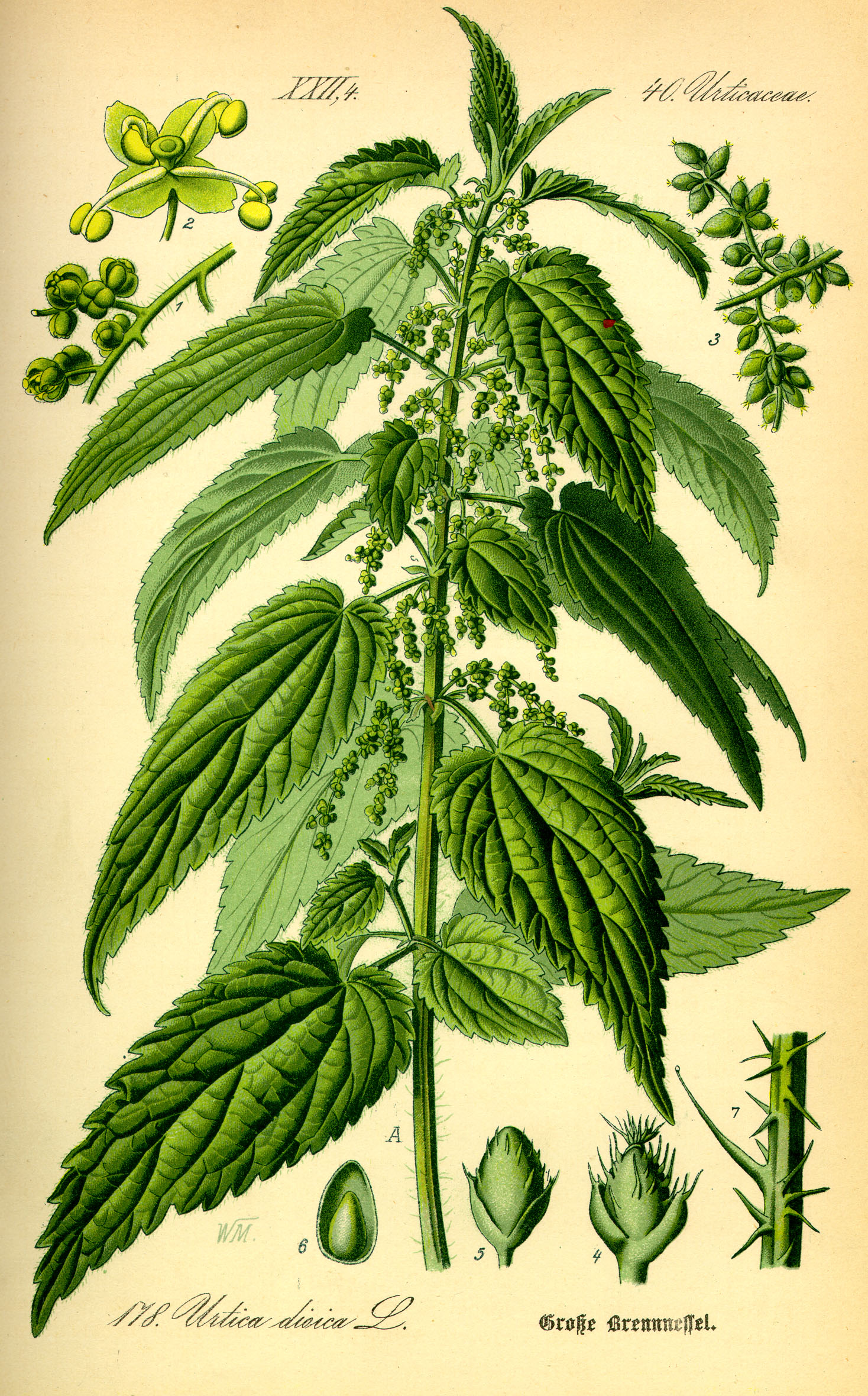
Nettle
Urtica dioica
Traditionally used —the plant that stings you in the woods is also one of the most nutrient-dense and clinically validated herbs in european folk medicine. used since neolithic times for allergies, joint pain, anemia, and as a spring tonic. once cooked or dried, the stinging hairs become harmless and reveal a mineral-rich, anti-inflammatory medicine.

Kale
Brassica oleracea var. acephala
Traditionally used —a hardy leafy member of the cabbage family, one of the oldest cultivated vegetables in europe and the poster child of the modern superfood era. the hype is overblown, but the underlying vegetable is genuinely good: it is dense in vitamins k, c, and a, supplies calcium and lutein, and like its cabbage cousins it carries glucosinolates, the compounds the body converts into substances studied for cancer prevention.

Parsley
Petroselinum crispum
Traditionally used —one of the most underrated medicinal herbs sitting in plain sight on dinner plates worldwide. used since ancient greece as a diuretic, breath freshener, and kidney tonic. extraordinarily high in vitamin k, vitamin c, and flavonoids. the garnish that everyone ignores is actually a serious nutritional and medicinal plant.