cardiovascular
Natural remedies for high blood pressure
Chrysanthemum
Chrysanthemum morifolium
Traditionally used —chrysanthemum flower tea, ju hua, is a classic chinese herbal tea traditionally used for tired eyes, headaches and colds. see its history and safety.

Grapefruit
Citrus paradisi
Traditionally used —a large citrus fruit developed in barbados in the 18th century as a natural hybrid between sweet orange and pomelo. famous in modern medicine for one specific reason: grapefruit interacts with more prescription medications than any other food on earth. beyond the drug interaction issue, grapefruit is a real medicinal fruit with measurable effects on metabolism, cardiovascular health, and weight management.

Persimmon
Diospyros kaki
Traditionally used —an orange autumn fruit cultivated for over two thousand years across china, japan, and korea, with two main varieties: astringent (must be fully ripe) and non-astringent (eaten firm). the latin genus name diospyros translates to fruit of the gods, reflecting how highly the fruit was valued. central to east asian autumn culture and used in traditional chinese medicine for digestive and respiratory complaints, with the dried fruit, leaves, and calyx all having distinct medicinal uses.

Kale
Brassica oleracea var. acephala
Traditionally used —a hardy leafy member of the cabbage family, one of the oldest cultivated vegetables in europe and the poster child of the modern superfood era. the hype is overblown, but the underlying vegetable is genuinely good: it is dense in vitamins k, c, and a, supplies calcium and lutein, and like its cabbage cousins it carries glucosinolates, the compounds the body converts into substances studied for cancer prevention.

Parsley
Petroselinum crispum
Traditionally used —one of the most underrated medicinal herbs sitting in plain sight on dinner plates worldwide. used since ancient greece as a diuretic, breath freshener, and kidney tonic. extraordinarily high in vitamin k, vitamin c, and flavonoids. the garnish that everyone ignores is actually a serious nutritional and medicinal plant.

Broccoli
Brassica oleracea var. italica
Traditionally used —an italian-bred member of the cabbage family that has become the flagship of cancer-prevention nutrition research. broccoli, and even more so its young sprouts, is the leading dietary source of sulforaphane, a compound that switches on the body own protective and detoxifying enzymes. it is one of the few common vegetables where the laboratory science genuinely backs the healthy reputation, even if the human outcomes are still being worked out.

Spirulina
Arthrospira platensis
Traditionally used —a microscopic spiral-shaped blue-green algae growing in warm alkaline lakes across mexico, africa, and asia. eaten as a daily food by the aztec people of lake texcoco for centuries before european contact, and traditionally harvested by the kanembu people around lake chad in west africa, who still produce a dried cake called dihe. one of the most nutritionally dense foods on earth, gram for gram, and a serious medicinal substance with strong research support across multiple conditions.
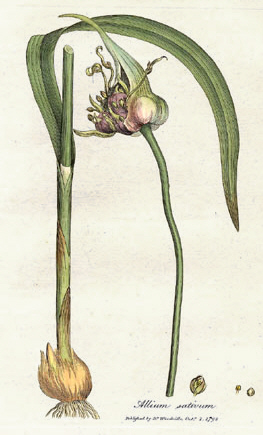
Black Garlic
Allium sativum (fermented)
Traditionally used —whole garlic bulbs slowly fermented for weeks at low heat and high humidity until the cloves turn jet black, soft, and sweet. the fermentation process transforms harsh allicin into gentler compounds and dramatically increases antioxidant content. originally a korean and japanese preparation, now valued worldwide.

Grape
Vitis vinifera
Traditionally used —one of the oldest cultivated fruits in human history, grown across the mediterranean, middle east, and beyond for at least 8000 years. central to greek, roman, jewish, christian, and persian cultures as food, wine, and medicine. modern research has placed grapes at the center of nutrition science thanks to resveratrol and the so-called french paradox: how mediterranean populations eating fatty foods and drinking wine maintained low rates of heart disease.

Banana
Musa acuminata
Traditionally used —one of the most eaten fruits on earth, originally from southeast asia and now grown across every tropical region. beyond being a convenient food it has a real place in folk medicine, mostly for digestion and as a steady source of potassium. ripe bananas are a classic gentle food for an upset stomach, and green or unripe bananas have a documented effect on diarrhea. the peel and the plant itself also turn up in traditional skin and wound remedies.

Spinach
Spinacia oleracea
Traditionally used —a leafy green that began in ancient persia and spread through the arab world into india, china, and europe. it is genuinely nutrient-dense, but its old reputation as an iron powerhouse is overstated. the iron is there, but oxalates in the leaf bind much of it so the body absorbs only a fraction. where spinach really earns its place is in vitamin k, folate, the eye-protecting pigment lutein, and natural nitrates that gently support blood pressure.

Onion
Allium cepa
Traditionally used —the everyday cooking onion is also one of the most widely used folk medicines in the world. the classic remedy is onion-and-honey cough syrup, made by drawing the juice out of sliced onion with honey or sugar, taken by the spoonful for coughs and sore throats. raw onion poultices were laid on the chest and feet for colds. behind the tradition sits real chemistry: onions are loaded with quercetin and sulfur compounds with antioxidant, antimicrobial, and heart effects.

Tomato
Solanum lycopersicum
Traditionally used —a new world fruit, botanically a berry, domesticated by the peoples of mexico and central america long before europeans arrived. it traveled to europe in the 1500s where it was first grown as an ornamental and feared as a poison, the so-called love apple, before becoming a kitchen staple. its main claim to health is lycopene, the red pigment that is one of the most studied dietary antioxidants, and which the body absorbs far better from cooked tomato with a little fat.

Corn
Zea mays
Traditionally used —the staple grain domesticated in mexico thousands of years ago and now grown around the world. as food it is energy and fiber, but its real medicine is a part most people throw away: corn silk, the fine threads inside the husk. brewed as a tea, corn silk is a traditional diuretic used across native american, latin american, and chinese medicine for urinary and bladder complaints and for easing fluid retention.

Flaxseed
Linum usitatissimum
Traditionally used —one of the oldest crops in the world, grown for its fiber and its oil-rich seed since the dawn of agriculture. as a remedy it is unusually well backed: the soluble fiber relieves constipation and lowers cholesterol, the seed is the richest food source of lignans, plant compounds with mild hormonal activity studied for menopause, and the oil is high in the omega-3 fat called ALA. the one catch is that the seed must be ground, since whole flaxseed passes through undigested.

Almond
Prunus dulcis
Traditionally used —an ancient nut from the middle east and central asia, treated in ayurveda as a brain and strength tonic, where soaked, peeled almonds are eaten in the morning for memory and vigor. the oil is a classic skin and hair treatment. modern research has been kind to the almond: despite being calorie-dense, it lowers cholesterol and does not drive weight gain, making it one of the better-studied heart-healthy foods.

Walnut
Juglans regia
Traditionally used —the walnut, juglans regia, has been grown from persia to china for thousands of years. old herbals tied it to the brain. research points more to the heart.

Avocado
Persea americana
Traditionally used —a creamy green fruit native to south-central mexico and northern central america, cultivated for at least seven thousand years by indigenous mesoamerican peoples. botanically a single-seeded berry, despite its size and unusual flat profile. one of the few fruits that is high in fat (and almost entirely healthy monounsaturated fat). central to mexican cuisine and increasingly to global wellness culture, with strong modern research support for cardiovascular and metabolic benefits.

Cacao
Theobroma cacao
Traditionally used —the seeds of a small tropical tree native to the amazon basin and central america, cultivated by olmec, maya, and aztec peoples for at least four thousand years. the botanical name theobroma translates from greek as food of the gods, given by linnaeus in recognition of its cultural significance. used by mesoamerican civilizations as both ceremonial drink and medicine long before europeans encountered it. the source of modern chocolate but, in its unprocessed raw form, one of the most antioxidant-rich foods on earth.

Hawthorn
Crataegus monogyna
Traditionally used —a thorny shrub or small tree native to europe, north africa, and western asia, used since the first century ce by greek physicians for heart complaints. modern european integrative medicine treats hawthorn as one of the most clinically validated cardiovascular herbs in existence. used for mild heart failure, irregular heartbeat, angina, and as a long-term tonic for the aging heart.

Pomegranate
Punica granatum
Traditionally used —a deep-red fruit native to persia and the himalayas, cultivated for over 5000 years and woven into the mythology of nearly every ancient mediterranean and near-eastern culture. one of the most antioxidant-rich foods on earth, with serious modern clinical research behind its cardiovascular and prostate benefits.

Beet
Beta vulgaris
Traditionally used —a deep red root vegetable cultivated since ancient times across the mediterranean, north africa, and middle east. the greeks offered beets to apollo. modern athletes drink beet juice before competitions because of its clinically proven nitric oxide boost. one of the few foods with measurable, immediate cardiovascular and exercise performance effects.

Sesame
Sesamum indicum
Traditionally used —one of the oldest oilseed crops, domesticated in africa and india, and central to ayurvedic self-care, where sesame oil is the primary oil for warm massage, oil pulling, and nasal care. the seeds are notably rich in calcium and in lignans called sesamin, plant compounds studied for cholesterol and blood pressure. it is a deeply traditional food and medicine, and also one of the most significant food allergens.
Garlic
Allium sativum
Traditionally used —a pungent bulb used as both food and medicine across nearly every culture on earth. the workers who built the egyptian pyramids ate it daily, and modern research validates what ancient peoples knew about its cardiovascular and immune benefits.

Celery
Apium graveolens
Traditionally used —a mediterranean plant whose stalks, seeds, and leaves have been used as food and medicine for over 3000 years. eaten widely today as a low-calorie vegetable, but its medicinal history is far more serious. modern celery juice has become popular as a wellness trend; the underlying research supports several of its traditional uses, particularly for blood pressure and inflammation.

Watermelon
Citrullus lanatus
Traditionally used —a sprawling vine fruit native to africa, where its wild ancestors were valued as much for stored water as for food in dry country. beyond being mostly water and sugar, watermelon is the richest food source of citrulline, an amino acid the body turns into arginine to support blood flow. the rind and seeds were used in folk medicine across africa and asia as cooling, mildly diuretic remedies, and the red flesh carries the same lycopene pigment found in tomatoes.

Hibiscus
Hibiscus sabdariffa
Traditionally used —a deep-red flowering plant whose tart calyces have been brewed into healing teas across five continents. originally african, now central to traditions from sudan to mexico.