cardiovascular
Natural remedies for high cholesterol
Foods and plants with evidence for lowering LDL cholesterol, mostly through soluble fiber and healthy fats.

Flaxseed
Linum usitatissimum
Traditionally used —one of the oldest crops in the world, grown for its fiber and its oil-rich seed since the dawn of agriculture. as a remedy it is unusually well backed: the soluble fiber relieves constipation and lowers cholesterol, the seed is the richest food source of lignans, plant compounds with mild hormonal activity studied for menopause, and the oil is high in the omega-3 fat called ALA. the one catch is that the seed must be ground, since whole flaxseed passes through undigested.

Oats
Avena sativa
Traditionally used —a humble grain with a serious medical resume. the soluble fiber in oats, beta-glucan, lowers cholesterol well enough to carry one of the few officially authorized heart-health food claims. ground into colloidal oatmeal, it is a recognized treatment for itchy, inflamed skin and eczema. and the green oat tops, called oat straw, are a traditional western nervine, a gentle tonic for frayed nerves and stress.

Almond
Prunus dulcis
Traditionally used —an ancient nut from the middle east and central asia, treated in ayurveda as a brain and strength tonic, where soaked, peeled almonds are eaten in the morning for memory and vigor. the oil is a classic skin and hair treatment. modern research has been kind to the almond: despite being calorie-dense, it lowers cholesterol and does not drive weight gain, making it one of the better-studied heart-healthy foods.

Olive Oil
oilOlea europaea
Traditionally used —pressed from olive fruit, this golden green oil is the cornerstone of the mediterranean diet and one of the most clinically validated healthy fats in human nutrition. used since ancient times as food, medicine, cosmetic, lamp fuel, and sacred anointing oil. extra virgin grade (cold-pressed, unrefined) retains the highest concentration of polyphenols including oleocanthal, an anti-inflammatory compound that mimics the action of low-dose ibuprofen.

Walnut
Juglans regia
Traditionally used —the walnut, juglans regia, has been grown from persia to china for thousands of years. old herbals tied it to the brain. research points more to the heart.

Avocado
Persea americana
Traditionally used —a creamy green fruit native to south-central mexico and northern central america, cultivated for at least seven thousand years by indigenous mesoamerican peoples. botanically a single-seeded berry, despite its size and unusual flat profile. one of the few fruits that is high in fat (and almost entirely healthy monounsaturated fat). central to mexican cuisine and increasingly to global wellness culture, with strong modern research support for cardiovascular and metabolic benefits.
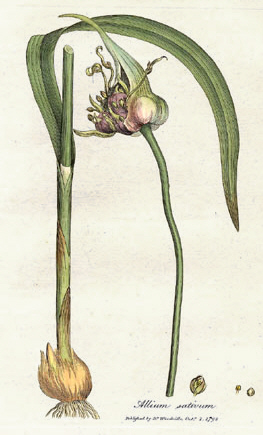
Garlic
Allium sativum
Traditionally used —a pungent bulb used as both food and medicine across nearly every culture on earth. the workers who built the egyptian pyramids ate it daily, and modern research validates what ancient peoples knew about its cardiovascular and immune benefits.

Spirulina
Arthrospira platensis
Traditionally used —a microscopic spiral-shaped blue-green algae growing in warm alkaline lakes across mexico, africa, and asia. eaten as a daily food by the aztec people of lake texcoco for centuries before european contact, and traditionally harvested by the kanembu people around lake chad in west africa, who still produce a dried cake called dihe. one of the most nutritionally dense foods on earth, gram for gram, and a serious medicinal substance with strong research support across multiple conditions.
Black Garlic
Allium sativum (fermented)
Traditionally used —whole garlic bulbs slowly fermented for weeks at low heat and high humidity until the cloves turn jet black, soft, and sweet. the fermentation process transforms harsh allicin into gentler compounds and dramatically increases antioxidant content. originally a korean and japanese preparation, now valued worldwide.
Psyllium
Plantago ovata
Traditionally used —psyllium husk is a soluble fiber from plantago ovata seeds, known in india as isabgol and studied for cholesterol and digestion. see dosage and safety.