pain
Natural remedies for joint pain

Pineapple
Ananas comosus
Traditionally used —a tropical fruit native to south america, spread by indigenous peoples across the americas and carried worldwide after european contact. beyond its sweetness it is the main natural source of bromelain, a group of protein-digesting enzymes with real medicinal use. tropical folk medicine used the juice and flesh for digestion, sore throats, wounds, and intestinal worms. modern interest centers almost entirely on bromelain.
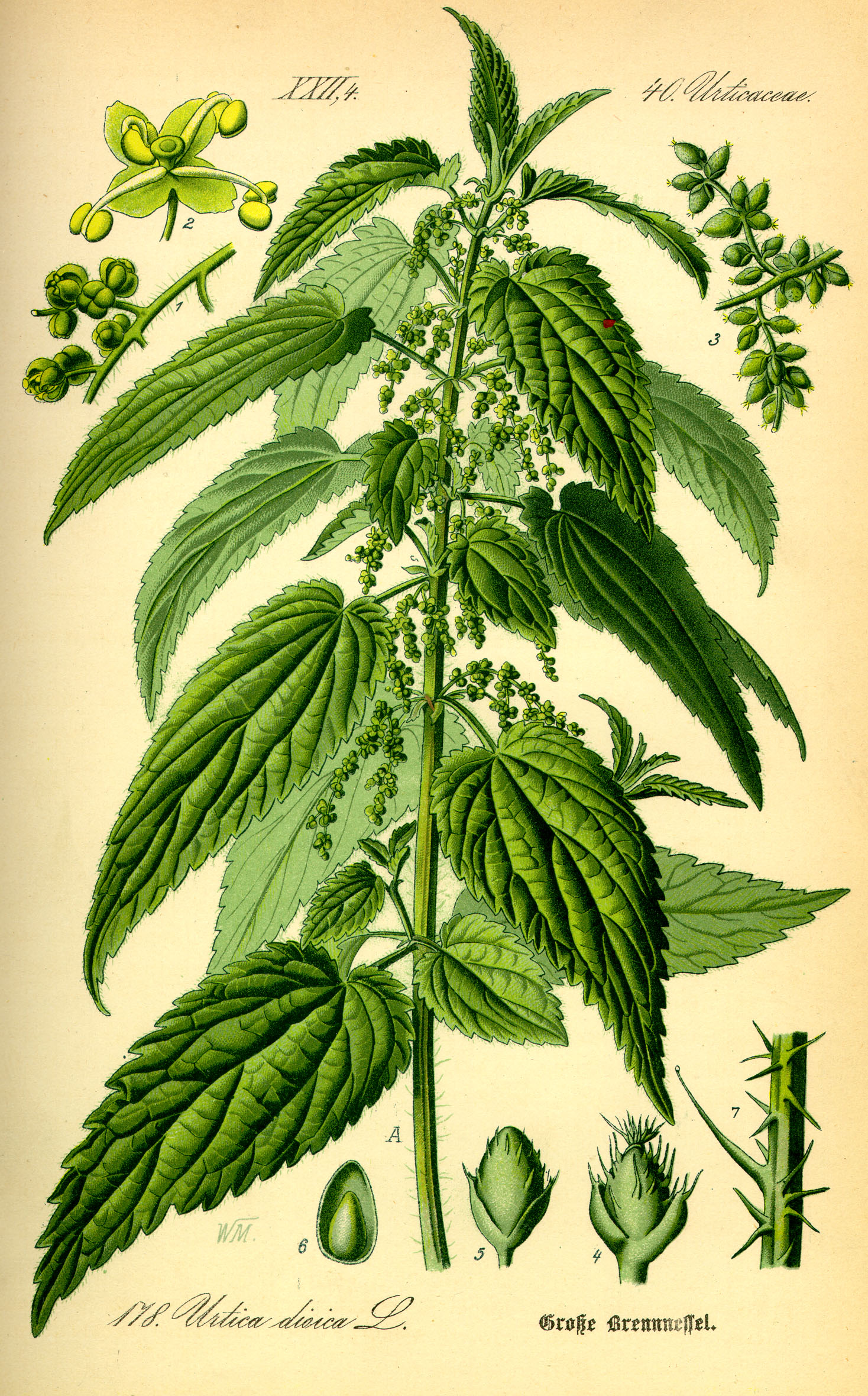
Nettle
Urtica dioica
Traditionally used —the plant that stings you in the woods is also one of the most nutrient-dense and clinically validated herbs in european folk medicine. used since neolithic times for allergies, joint pain, anemia, and as a spring tonic. once cooked or dried, the stinging hairs become harmless and reveal a mineral-rich, anti-inflammatory medicine.

Cabbage
Brassica oleracea var. capitata
Traditionally used —a dense leafy head from the cabbage family, one of the oldest vegetables in europe and one of the few common foods with several genuine, non-folkloric medicinal uses. cooled cabbage leaves wrapped around a swollen, sore breast or an inflamed joint are a recognized remedy for engorgement and pain. raw cabbage juice was studied in the 1950s for healing stomach ulcers. fermented as sauerkraut, it becomes a source of gut-friendly bacteria.

Sesame
Sesamum indicum
Traditionally used —one of the oldest oilseed crops, domesticated in africa and india, and central to ayurvedic self-care, where sesame oil is the primary oil for warm massage, oil pulling, and nasal care. the seeds are notably rich in calcium and in lignans called sesamin, plant compounds studied for cholesterol and blood pressure. it is a deeply traditional food and medicine, and also one of the most significant food allergens.

Mustard
Brassica nigra
Traditionally used —the pungent seed of plants in the cabbage family, used both as a condiment and, historically, as one of the most common household medicines in europe. the mustard plaster, a paste of ground seed applied to the chest or aching joints, was a standard treatment for congestion and pain for centuries. it works as a counterirritant, drawing blood to the surface and creating warmth that eases deeper aches.

Cayenne
Capsicum annuum
Traditionally used —the dried ground fruit of hot chili peppers, native to the americas and carried worldwide after columbus. its heat comes from capsaicin, a compound with real medicinal use. herbalists have long valued cayenne as a circulatory stimulant, and capsaicin is now the active ingredient in mainstream topical pain creams sold for arthritis and nerve pain.
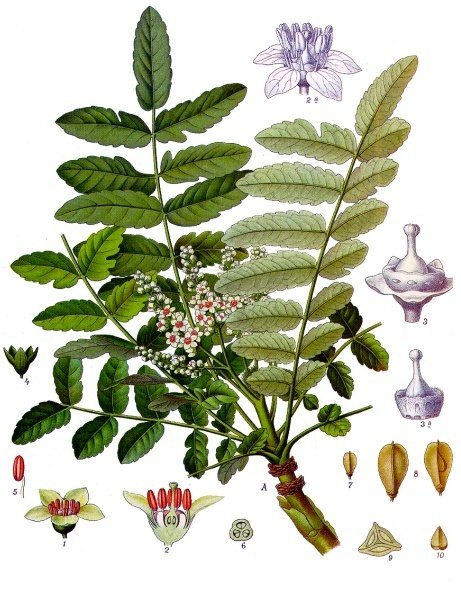
Frankincense
Boswellia serrata
Traditionally used —a milky resin tapped from the bark of small trees that grow in the harsh dry mountains of oman, yemen, somalia, and india. burned in sacred ceremonies for at least five thousand years and prescribed in the worlds oldest medical texts for joint pain and inflammation.

White Willow Bark
Salix alba
Traditionally used —the original aspirin. the inner bark of the white willow tree contains salicin, which the body converts to salicylic acid. used for over 3,500 years across europe, china, and the mediterranean for pain, fever, and inflammation.

Boswellia
Boswellia serrata
Traditionally used —the resin of a gnarled tree native to the dry hill country of india, tapped from the bark much like maple syrup. this is the indian cousin of the frankincense burned as incense, but here the resin is taken internally as one of ayurvedas main remedies for joint and inflammatory complaints. ayurvedic physicians have used it for well over a thousand years under the name shallaki, mainly for arthritis, stiff joints, and inflamed tissue. modern supplement makers sell it as a standardized extract because its anti-inflammatory compounds, the boswellic acids, are now some of the better-studied plant chemicals for joint pain.

Turmeric
Curcuma longa
Traditionally used —A golden rhizome that has anchored Indian medicine and cuisine for over 4,000 years. Its primary active compound, curcumin, is one of the most-studied plant compounds in modern research.

Cherry
Prunus cerasus
Traditionally used —the tart or sour cherry, distinct from the sweet eating cherry, has the stronger medicinal reputation. native to europe and western asia and cultivated since antiquity, it has become one of the better-studied fruits for two specific uses: easing gout and improving sleep. montmorency tart cherry is the variety behind most of the research, sold as juice or concentrate.