
China
Traditional Chinese Medicine
500 BCE to present (~2,500 years documented, with prehistoric roots reaching back further)
traditional chinese medicine (tcm) is one of the worlds oldest and most systematized healing traditions, with a continuously documented history stretching back over 2,500 years and roots reaching even deeper into prehistoric shamanic practice. it is not a single tradition but a constantly evolving system that has been shaped by every major dynasty in chinese history, expanded by integration with buddhist and taoist philosophy, suppressed during the early cultural revolution, and revived as a global medical system practiced today by hundreds of millions of patients worldwide. tcm is built on a fundamentally different framework than western medicine, treating the body as an interconnected energetic system in dynamic balance with environment, season, and emotion rather than as a collection of separate organs and diseases.
Societal Role
the place it held among the people
tcm practitioners (chinese: yi sheng or zhong yi) operated at multiple levels of chinese society throughout history: imperial court physicians served emperors and nobility; government-trained physicians staffed regional medical offices and hospitals from the tang dynasty onward; folk doctors served rural communities; and household practitioners (often women) handled everyday family medical needs. tcm was deeply integrated with chinese philosophy, particularly taoist and confucian thought, and major tcm physicians were often also scholars, poets, or government officials. unlike european medicine which developed in opposition to religion, chinese medicine evolved in harmony with religious and philosophical practices including taoism, buddhism, and confucianism. modern tcm is now formally professionalized in china, with five and a half year university degrees required for licensed practice, similar to western medical training.
Modern Influence
how it echoes today
tcm is officially recognized by the world health organization, which formally included it in the international classification of diseases (icd-11) in 2019, the first time a traditional medicine system was integrated into the who diagnostic framework. acupuncture is practiced legally in over 60 countries, with growing insurance coverage in the us, uk, germany, and other western nations. the 2015 nobel prize awarded to tu youyou for the discovery of artemisinin from chinese herbs demonstrated that tcm continues to produce significant pharmaceutical discoveries. chinese herbs including ginseng, astragalus, reishi, schisandra, and goji berries have become mainstream ingredients in the global wellness industry. tcm research budgets in china exceed the national health budgets of many countries, with ongoing systematic clinical research on traditional formulas. the tradition faces ongoing challenges around ethical sourcing (particularly for endangered animal-derived ingredients), regulatory consistency across countries, and the balance between traditional principles and modern scientific validation. tcm has also strongly influenced the development of integrative and functional medicine in the west, particularly concepts like personalized treatment, food as medicine, and mind-body unity.
Remedies in this lineage

Turmeric
Curcuma longa
A golden rhizome that has anchored Indian medicine and cuisine for over 4,000 years. Its primary active compound, curcumin, is one of the most-studied plant compounds in modern research.

Ginger
Zingiber officinale
a warming rhizome used for thousands of years across asia for digestion, nausea, and inflammation. one of the most clinically validated herbs in modern research.

Peppermint
Mentha × piperita
a hybrid mint with high menthol content. used since ancient times for digestion, headaches, and respiratory complaints.
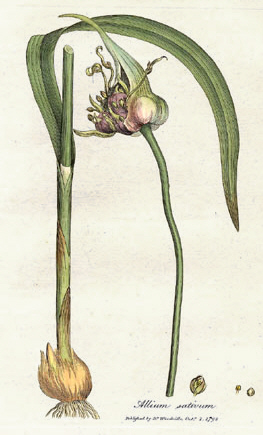
Garlic
Allium sativum
a pungent bulb used as both food and medicine across nearly every culture on earth. the workers who built the egyptian pyramids ate it daily, and modern research validates what ancient peoples knew about its cardiovascular and immune benefits.

Cinnamon
Cinnamomum verum
a warm aromatic bark from a small evergreen tree native to sri lanka. one of the oldest known spices, traded across continents long before recorded history. ceylon cinnamon is the true cinnamon, distinct from the common cassia variety.
Black Garlic
Allium sativum (fermented)
whole garlic bulbs slowly fermented for weeks at low heat and high humidity until the cloves turn jet black, soft, and sweet. the fermentation process transforms harsh allicin into gentler compounds and dramatically increases antioxidant content. originally a korean and japanese preparation, now valued worldwide.

Mugwort
Artemisia vulgaris
a tall silvery-green plant with deeply cut leaves and a bitter aromatic scent, found growing wild along roadsides and waste places across nearly the entire northern hemisphere. one of the oldest and most universally used herbs in human history, prized in european, chinese, japanese, and native american traditions for protection, digestion, and dreams.

White Willow Bark
Salix alba
the original aspirin. the inner bark of the white willow tree contains salicin, which the body converts to salicylic acid. used for over 3,500 years across europe, china, and the mediterranean for pain, fever, and inflammation.

Goji Berry
Lycium barbarum
a bright red berry from a thorny shrub native to china, used for over 2000 years as a longevity tonic and vision support. the most popular tonic herb in modern tcm.

Asparagus
Asparagus officinalis
a mediterranean perennial whose young shoots have been eaten as both food and medicine since at least 3000 bce. used historically as a diuretic, blood purifier, and kidney tonic. eaten widely; rarely thought of as medicine today, but it has real folk and clinical history.

Ginkgo
Ginkgo biloba
one of the oldest living tree species on earth, with fossils dating back 270 million years. ginkgo trees are sometimes called living fossils because the species predates the dinosaurs. the fan-shaped leaves have been used in tcm for over 1000 years for memory, circulation, and respiratory health. modern standardized extracts are among the most studied plant medicines in the world.

Cilantro
Coriandrum sativum
one of the oldest documented culinary herbs, with seeds found in ancient egyptian tombs over 3000 years old. the fresh leaves (cilantro) and dried seeds (coriander) come from the same plant but have very different flavor and use profiles. used across nearly every traditional food culture in the world for digestion, detoxification, and as a flavoring.

Pomegranate
Punica granatum
a deep-red fruit native to persia and the himalayas, cultivated for over 5000 years and woven into the mythology of nearly every ancient mediterranean and near-eastern culture. one of the most antioxidant-rich foods on earth, with serious modern clinical research behind its cardiovascular and prostate benefits.

Dandelion
Taraxacum officinale
the lawn weed that herbalists call medicine. every part is edible and medicinal: leaves are a mineral-rich diuretic, root supports liver function, and flowers are made into wine. used across europe, china, and the americas for liver, kidney, and digestion. one of the most clinically active common weeds in the world.

Hawthorn
Crataegus monogyna
a thorny shrub or small tree native to europe, north africa, and western asia, used since the first century ce by greek physicians for heart complaints. modern european integrative medicine treats hawthorn as one of the most clinically validated cardiovascular herbs in existence. used for mild heart failure, irregular heartbeat, angina, and as a long-term tonic for the aging heart.

Mandarin
Citrus reticulata
a small sweet citrus fruit native to southern china, cultivated for over 4000 years and central to chinese culture, agriculture, and medicine. the dried peel, called chen pi, is one of the most frequently prescribed herbs in traditional chinese medicine, found in thousands of classical formulas. the fresh fruit is among the most consumed citrus globally and a staple of chinese new year celebrations.

Lychee
Litchi chinensis
a small tropical fruit native to southern china, with rough red skin and sweet translucent flesh wrapped around a single seed. cultivated for over two thousand years in chinese imperial gardens and prized so highly that emperors maintained special courier routes to deliver fresh lychees from southern provinces to the imperial court. used in traditional chinese medicine for digestion, circulation, and as a tonic, with the seed having separate medicinal uses from the fruit.

Dragonfruit
Selenicereus undatus
a striking magenta-pink fruit growing on a climbing cactus native to mexico and central america, now cultivated across vietnam, thailand, and southern china where it has become a major commercial crop. the flesh is white or red with small edible black seeds, often compared to kiwi in texture but milder in flavor. famous on social media but nutritionally substantive, providing prebiotic fiber, vitamin c, and unique betalain pigments (in red-fleshed varieties).

Persimmon
Diospyros kaki
an orange autumn fruit cultivated for over two thousand years across china, japan, and korea, with two main varieties: astringent (must be fully ripe) and non-astringent (eaten firm). the latin genus name diospyros translates to fruit of the gods, reflecting how highly the fruit was valued. central to east asian autumn culture and used in traditional chinese medicine for digestive and respiratory complaints, with the dried fruit, leaves, and calyx all having distinct medicinal uses.

Mulberry
Morus alba
a small tree native to northern china, cultivated for over four thousand years primarily as the exclusive food source of silkworms, but with deep medicinal significance in traditional chinese medicine. nearly every part has medicinal use: leaves, berries, root bark, and twigs are all listed as distinct herbs in classical chinese materia medica. the berries are also eaten as a sweet seasonal fruit across china, central asia, and the mediterranean.

Loquat
Eriobotrya japonica
a small orange-yellow fruit native to southeastern china and cultivated for over a thousand years across china, japan, korea, and the mediterranean. closely related to apples and pears (rosaceae family). famous as the basis of pi pa gao, a chinese herbal cough syrup made from the leaves, one of the most universally used traditional remedies for cough in chinese medicine. the fruit is sweet-tart and the leaves are equally medicinal.

Boswellia
Boswellia serrata
the resin of a gnarled tree native to the dry hill country of india, tapped from the bark much like maple syrup. this is the indian cousin of the frankincense burned as incense, but here the resin is taken internally as one of ayurvedas main remedies for joint and inflammatory complaints. ayurvedic physicians have used it for well over a thousand years under the name shallaki, mainly for arthritis, stiff joints, and inflamed tissue. modern supplement makers sell it as a standardized extract because its anti-inflammatory compounds, the boswellic acids, are now some of the better-studied plant chemicals for joint pain.

Astragalus
Astragalus mongholicus
a yellow-rooted member of the bean family from northern china and mongolia, and one of the most important tonic herbs in traditional chinese medicine. its chinese name huang qi means yellow leader, a nod to both the color of the root and its rank among qi tonics. for two thousand years it has been the go-to herb for building up people who are run down, recovering from illness, or prone to catching every cold that goes around. it is almost always cooked into soups and broths rather than taken as a quick remedy, because its job is slow strengthening rather than fast symptom relief. modern interest centers on its immune and anti-fatigue effects.

Orange
Citrus sinensis
the sweet orange is one of the most important fruits in the world and the household symbol of vitamin c. originally a hybrid cultivated in china, it spread along trade routes and became central to diets and folk medicine across the mediterranean, the americas, and beyond. its main medicinal claim is real and historic: oranges and other citrus prevented scurvy on long sea voyages, one of the first clear victories of nutrition over disease.

Apricot
Prunus armeniaca
a stone fruit native to central asia and china, grown for its sweet orange flesh and, in traditional medicine, for the kernel hidden inside the pit. the dried fruit is a gentle laxative and a rich source of beta carotene and fiber. the kernel is a different and more dangerous story: it has been used in chinese medicine as a cough remedy for centuries, but it also contains amygdalin, a compound that releases cyanide in the body, and it has been at the center of a notorious fake cancer cure.

Kiwi
Actinidia deliciosa
a fuzzy brown fruit with bright green flesh, native to china where it was known as the chinese gooseberry before new zealand growers renamed and popularized it worldwide. it is a quietly impressive fruit, carrying more vitamin c than an orange and backed by some of the better clinical research of any common fruit, specifically for relieving constipation and improving sleep. it also contains actinidin, an enzyme that helps break down protein.

Peach
Prunus persica
a stone fruit native to china, where it is an ancient symbol of long life and the kernel inside the pit is a recognized medicine. the sweet flesh is ordinary good fruit, rich in vitamins and fiber. the deeper tradition is in chinese medicine, where the kernel, called tao ren, has been used for centuries to move stagnant blood and ease constipation, always in small measured amounts within balanced formulas.

Pear
Pyrus communis
a sweet, juicy fruit grown across europe and asia, gentle enough that it is often one of the first fruits given to babies. its most distinctive medicinal use comes from chinese tradition, where the pear is considered cooling and moistening for the lungs, and steamed pear with rock sugar is a classic home remedy for a dry, irritating cough and sore throat. the flesh is also a good, gentle source of fiber for the digestion.

Plum
Prunus domestica
the plum, and especially the dried plum or prune, is one of the most reliable and best-proven natural remedies for constipation there is. fresh plums are juicy fruit, but drying concentrates the fiber and sorbitol that loosen the bowel. beyond the laxative use, wu mei, the smoked fruit of a related asian species, prunus mume, is a traditional chinese remedy for chronic cough and diarrhea, and growing research links prunes to better bone density.

Corn
Zea mays
the staple grain domesticated in mexico thousands of years ago and now grown around the world. as food it is energy and fiber, but its real medicine is a part most people throw away: corn silk, the fine threads inside the husk. brewed as a tea, corn silk is a traditional diuretic used across native american, latin american, and chinese medicine for urinary and bladder complaints and for easing fluid retention.

Scallions
Allium fistulosum
the green onion, mild cousin of the bulb onion, and in chinese medicine a genuine first-line remedy for the common cold. the white base, called cong bai, is simmered into a hot broth and drunk at the very first sign of a cold to warm the body and induce a light sweat that helps break the illness early. like all onions and garlic, scallions carry antimicrobial sulfur compounds.

Radish
Raphanus sativus
a pungent root in the cabbage family, eaten and used as medicine from egypt to east asia for thousands of years. its sharp bite signals its two main traditional jobs: aiding digestion, especially of fatty and starchy meals, and clearing phlegm and cough. the black radish and honey cough syrup of eastern europe and the digestive daikon of japan and china are two faces of the same plant.

Walnut
Juglans regia
the walnut, juglans regia, has been grown from persia to china for thousands of years. old herbals tied it to the brain. research points more to the heart.
Gotu Kola
Centella asiatica
gotu kola is a creeping asian herb used in ayurveda for memory and on the skin for wounds. see its history, research, dosage and safety notes.
Chrysanthemum
Chrysanthemum morifolium
chrysanthemum flower tea, ju hua, is a classic chinese herbal tea traditionally used for tired eyes, headaches and colds. see its history and safety.