inflammation
Natural remedies for inflammation

Onion
Allium cepa
Traditionally used —the everyday cooking onion is also one of the most widely used folk medicines in the world. the classic remedy is onion-and-honey cough syrup, made by drawing the juice out of sliced onion with honey or sugar, taken by the spoonful for coughs and sore throats. raw onion poultices were laid on the chest and feet for colds. behind the tradition sits real chemistry: onions are loaded with quercetin and sulfur compounds with antioxidant, antimicrobial, and heart effects.

Raspberry Leaf
Rubus idaeus
Traditionally used —the leaves of the common red raspberry plant, native to europe and northern asia and now grown worldwide. used for centuries as the classic womens herb across european folk medicine, particularly for pregnancy, labor preparation, menstrual cramps, and postpartum recovery. one of the most widely consumed traditional womens reproductive tonics in the english-speaking world.

Mulberry
Morus alba
Traditionally used —a small tree native to northern china, cultivated for over four thousand years primarily as the exclusive food source of silkworms, but with deep medicinal significance in traditional chinese medicine. nearly every part has medicinal use: leaves, berries, root bark, and twigs are all listed as distinct herbs in classical chinese materia medica. the berries are also eaten as a sweet seasonal fruit across china, central asia, and the mediterranean.

Slippery Elm
Ulmus rubra
Traditionally used —a north american tree whose inner bark turns slick and gel-like the moment it meets water. that gel, called mucilage, is the whole point of the plant. native peoples of the eastern woodlands scraped the inner bark, dried it, and used it as food during famine and as medicine for sore throats, upset stomachs, coughs, and wounds. it was reliable enough that it became a survival staple, and george washingtons troops at valley forge reportedly ate it to get through the winter. settlers picked it up fast, and it became one of the steadiest household remedies in early america for anything raw or inflamed, inside or out.

Bell Pepper
Capsicum annuum
Traditionally used —the sweet, crunchy cousin of the chili pepper, the same species without the heat. native to the americas like all peppers, it is mostly a nutrition story rather than a folk medicine, and a strong one: a ripe red bell pepper carries more vitamin c than an orange, along with vitamin a and a load of antioxidants. the color is a clue, since red peppers are simply fully ripened green ones with more nutrients.

Cumin
Cuminum cyminum
Traditionally used —a small aromatic seed cultivated in the eastern mediterranean and egypt since antiquity, and one of the oldest spices in continuous use. it traveled the ancient trade routes into india, where it became a cornerstone digestive spice. roasted cumin water, known as jeera water, is a common household drink across south asia for an upset or sluggish stomach.

Coriander
Coriandrum sativum
Traditionally used —the dried seed of the same plant that gives us cilantro leaf, but used as a separate spice with its own warm citrusy flavor and its own medicinal role. one of the oldest cultivated spices, found in egyptian tombs and used throughout the ancient mediterranean as a digestive and preservative. the seed settles the stomach where the fresh leaf is used more as a food.

Mustard
Brassica nigra
Traditionally used —the pungent seed of plants in the cabbage family, used both as a condiment and, historically, as one of the most common household medicines in europe. the mustard plaster, a paste of ground seed applied to the chest or aching joints, was a standard treatment for congestion and pain for centuries. it works as a counterirritant, drawing blood to the surface and creating warmth that eases deeper aches.

Fig
Ficus carica
Traditionally used —one of the oldest cultivated fruits, grown around the mediterranean and middle east for thousands of years and named throughout ancient and religious texts. the fruit, fresh or dried, is best known as a gentle, reliable laxative, high in fiber and natural sugars. the milky sap, leaves, and fruit also had a long run in folk medicine for skin complaints, sore throats, and coughs.

Watermelon
Citrullus lanatus
Traditionally used —a sprawling vine fruit native to africa, where its wild ancestors were valued as much for stored water as for food in dry country. beyond being mostly water and sugar, watermelon is the richest food source of citrulline, an amino acid the body turns into arginine to support blood flow. the rind and seeds were used in folk medicine across africa and asia as cooling, mildly diuretic remedies, and the red flesh carries the same lycopene pigment found in tomatoes.

Blackberry
Rubus fruticosus
Traditionally used —the dark berry of the thorny bramble, common across europe and north america in hedgerows and waste ground. while the berries are eaten as fruit, the older medicine is in the leaf and root, which are strongly astringent and were a standard folk treatment for diarrhea and for sore throats and mouth ulcers. both european and native american healers reached for blackberry root and leaf to tighten and dry an overactive or inflamed gut.

Peach
Prunus persica
Traditionally used —a stone fruit native to china, where it is an ancient symbol of long life and the kernel inside the pit is a recognized medicine. the sweet flesh is ordinary good fruit, rich in vitamins and fiber. the deeper tradition is in chinese medicine, where the kernel, called tao ren, has been used for centuries to move stagnant blood and ease constipation, always in small measured amounts within balanced formulas.

Plum
Prunus domestica
Traditionally used —the plum, and especially the dried plum or prune, is one of the most reliable and best-proven natural remedies for constipation there is. fresh plums are juicy fruit, but drying concentrates the fiber and sorbitol that loosen the bowel. beyond the laxative use, wu mei, the smoked fruit of a related asian species, prunus mume, is a traditional chinese remedy for chronic cough and diarrhea, and growing research links prunes to better bone density.

Spinach
Spinacia oleracea
Traditionally used —a leafy green that began in ancient persia and spread through the arab world into india, china, and europe. it is genuinely nutrient-dense, but its old reputation as an iron powerhouse is overstated. the iron is there, but oxalates in the leaf bind much of it so the body absorbs only a fraction. where spinach really earns its place is in vitamin k, folate, the eye-protecting pigment lutein, and natural nitrates that gently support blood pressure.

Chia
Salvia hispanica
Traditionally used —the tiny seed of a mexican sage, a staple energy food of the aztecs and maya who fed it to warriors and long-distance runners. dropped in water it swells into a gel, the visible sign of its very high soluble fiber. chia is one of the richest plant sources of omega-3 fats and a solid source of protein and calcium, which is why it went from ancient ration to modern health-food shelf.

Cauliflower
Brassica oleracea var. botrytis
Traditionally used —a pale member of the cabbage family, grown from the same wild plant as broccoli, kale, and cabbage. it is mostly an everyday vegetable rather than a traditional medicine, valued for vitamin c, fiber, and the same family of cancer-studied compounds, glucosinolates, that its cousins carry, though in smaller amounts than broccoli. its low carbohydrate content has made it a popular stand-in for rice and potatoes.

Sweet Potato
Ipomoea batatas
Traditionally used —a starchy root native to central and south america that became a staple across africa, the caribbean, cape verde, and the pacific. the orange-fleshed kind is one of the best food sources of beta carotene, which the body turns into vitamin a, and it has been used in global health programs to fight vitamin a deficiency and childhood blindness. unlike white potato, it delivers its carbohydrate with more fiber and a gentler effect on blood sugar.

Pumpkin
Cucurbita pepo
Traditionally used —a new world squash whose bright flesh is good beta-carotene nutrition, but whose real medicine sits in the seed. the pepita has a long, documented history as a traditional dewormer, paralyzing intestinal worms so the body can expel them, and modern research has turned to pumpkin seed and its oil for prostate and bladder symptoms. the seeds are also a dense source of zinc and magnesium.

Corn
Zea mays
Traditionally used —the staple grain domesticated in mexico thousands of years ago and now grown around the world. as food it is energy and fiber, but its real medicine is a part most people throw away: corn silk, the fine threads inside the husk. brewed as a tea, corn silk is a traditional diuretic used across native american, latin american, and chinese medicine for urinary and bladder complaints and for easing fluid retention.

Flaxseed
Linum usitatissimum
Traditionally used —one of the oldest crops in the world, grown for its fiber and its oil-rich seed since the dawn of agriculture. as a remedy it is unusually well backed: the soluble fiber relieves constipation and lowers cholesterol, the seed is the richest food source of lignans, plant compounds with mild hormonal activity studied for menopause, and the oil is high in the omega-3 fat called ALA. the one catch is that the seed must be ground, since whole flaxseed passes through undigested.

Sesame
Sesamum indicum
Traditionally used —one of the oldest oilseed crops, domesticated in africa and india, and central to ayurvedic self-care, where sesame oil is the primary oil for warm massage, oil pulling, and nasal care. the seeds are notably rich in calcium and in lignans called sesamin, plant compounds studied for cholesterol and blood pressure. it is a deeply traditional food and medicine, and also one of the most significant food allergens.

Almond
Prunus dulcis
Traditionally used —an ancient nut from the middle east and central asia, treated in ayurveda as a brain and strength tonic, where soaked, peeled almonds are eaten in the morning for memory and vigor. the oil is a classic skin and hair treatment. modern research has been kind to the almond: despite being calorie-dense, it lowers cholesterol and does not drive weight gain, making it one of the better-studied heart-healthy foods.

Soursop
Annona muricata
Traditionally used —a spiny green tropical fruit native to the caribbean, central america, and northern south america, with a sweet-tart white flesh and a strong folk medicine tradition across the tropics. the leaves and fruit have been used for centuries for digestion, inflammation, and infections. claims about cancer-fighting properties are widespread online but currently rely on lab and animal studies, not human clinical trials.

Acai
Euterpe oleracea
Traditionally used —a small deep-purple berry from a palm tree native to the amazon rainforest, central to the diet and traditional medicine of indigenous and ribeirinho (riverside) peoples of brazil for thousands of years. became a global superfood phenomenon in the 2000s. one of the highest antioxidant foods measured, though much of the marketing has outpaced the clinical research.

Cucumber
Cucumis sativus
Traditionally used —a cooling fruit cultivated for over 3000 years across south asia, the middle east, and the mediterranean. composed of 96% water with concentrated minerals, antioxidants, and silica. used as both food and topical medicine across nearly every traditional system: skin cooling, eye care, hydration, and gentle internal cleansing.

Tomato
Solanum lycopersicum
Traditionally used —a new world fruit, botanically a berry, domesticated by the peoples of mexico and central america long before europeans arrived. it traveled to europe in the 1500s where it was first grown as an ornamental and feared as a poison, the so-called love apple, before becoming a kitchen staple. its main claim to health is lycopene, the red pigment that is one of the most studied dietary antioxidants, and which the body absorbs far better from cooked tomato with a little fat.
Cayenne
Capsicum annuum
Traditionally used —the dried ground fruit of hot chili peppers, native to the americas and carried worldwide after columbus. its heat comes from capsaicin, a compound with real medicinal use. herbalists have long valued cayenne as a circulatory stimulant, and capsaicin is now the active ingredient in mainstream topical pain creams sold for arthritis and nerve pain.

Coconut
Cocos nucifera
Traditionally used —the fruit of the coconut palm, grown across every tropical coast and used so completely that almost nothing is wasted. the water rehydrates, the white flesh feeds, the pressed oil goes on skin and hair and into cooking, and the shell and husk become tools and fuel. in ayurveda, caribbean, west african, and cape verdean practice the various parts have long been used for hydration, skin care, oral health, and digestion. it is one of the most marketed health foods of the last twenty years, which means the real benefits are mixed in with a lot of hype.
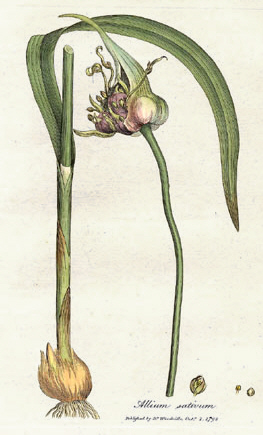
Black Garlic
Allium sativum (fermented)
Traditionally used —whole garlic bulbs slowly fermented for weeks at low heat and high humidity until the cloves turn jet black, soft, and sweet. the fermentation process transforms harsh allicin into gentler compounds and dramatically increases antioxidant content. originally a korean and japanese preparation, now valued worldwide.

Walnut
Juglans regia
Traditionally used —the walnut, juglans regia, has been grown from persia to china for thousands of years. old herbals tied it to the brain. research points more to the heart.

Celery
Apium graveolens
Traditionally used —a mediterranean plant whose stalks, seeds, and leaves have been used as food and medicine for over 3000 years. eaten widely today as a low-calorie vegetable, but its medicinal history is far more serious. modern celery juice has become popular as a wellness trend; the underlying research supports several of its traditional uses, particularly for blood pressure and inflammation.
Triphala
Terminalia chebula, Terminalia bellirica, Phyllanthus emblica
Traditionally used —the most widely used formula in all of ayurveda, and one of the oldest, with written use going back more than two thousand years. the name means three fruits, and that is exactly what it is: equal parts of three dried fruits, amalaki (indian gooseberry), bibhitaki, and haritaki, ground to a powder. ayurvedic tradition holds that the three together balance all three doshas, which is the practical reason it became the everyday tonic that almost every household and physician kept on hand. its main reputation is as a gentle bowel regulator and digestive tonic that can be taken long term without the dependency problems of harsh laxatives.

Blueberry
Vaccinium corymbosum, Vaccinium angustifolium
Traditionally used —a north american native fruit used for centuries by indigenous peoples as food and medicine, now one of the most clinically studied fruits in the world for cognitive function, eye health, and cardiovascular protection. the european relative bilberry (vaccinium myrtillus) shares most of the same medicinal properties.

Cherry
Prunus cerasus
Traditionally used —the tart or sour cherry, distinct from the sweet eating cherry, has the stronger medicinal reputation. native to europe and western asia and cultivated since antiquity, it has become one of the better-studied fruits for two specific uses: easing gout and improving sleep. montmorency tart cherry is the variety behind most of the research, sold as juice or concentrate.

Kale
Brassica oleracea var. acephala
Traditionally used —a hardy leafy member of the cabbage family, one of the oldest cultivated vegetables in europe and the poster child of the modern superfood era. the hype is overblown, but the underlying vegetable is genuinely good: it is dense in vitamins k, c, and a, supplies calcium and lutein, and like its cabbage cousins it carries glucosinolates, the compounds the body converts into substances studied for cancer prevention.
Moringa Leaf
leafMoringa oleifera
Traditionally used —a fast-growing tree whose leaves, pods, and seeds are among the most nutrient-dense foods on earth. native to india and now cultivated across africa, the caribbean, and cape verde where it is called acacia branca and used as both food and medicine.

Plantain
Plantago major
Traditionally used —a low-growing weed found on every continent, used as a first-aid plant for over two thousand years. not related to the banana fruit also called plantain. crush a leaf, slap it on a bee sting or scrape, and the pain backs off within minutes. one of the most reliable and universally available wild medicines.

Milk Thistle
Silybum marianum
Traditionally used —a tall purple-flowered plant whose seeds protect and regenerate the liver. used across europe for two thousand years and now backed by extensive clinical research as one of the most studied liver herbs in the world.

Strawberry
Fragaria × ananassa
Traditionally used —the common garden strawberry is a modern hybrid of wild species from north america and south america, but wild strawberries and their leaves were used as food and medicine in europe and by native peoples long before. the berries are prized for vitamin c and a deep store of antioxidant polyphenols, while the leaf has a quieter folk history as a mild astringent tea for upset stomach and as a gentle tonic.

Oats
Avena sativa
Traditionally used —a humble grain with a serious medical resume. the soluble fiber in oats, beta-glucan, lowers cholesterol well enough to carry one of the few officially authorized heart-health food claims. ground into colloidal oatmeal, it is a recognized treatment for itchy, inflamed skin and eczema. and the green oat tops, called oat straw, are a traditional western nervine, a gentle tonic for frayed nerves and stress.

Ginger
Zingiber officinale
Traditionally used —a warming rhizome used for thousands of years across asia for digestion, nausea, and inflammation. one of the most clinically validated herbs in modern research.

Aloe Vera
Aloe vera
Traditionally used —a succulent plant whose inner gel has been used for over 6000 years across nearly every traditional medicine system on earth for burns, wounds, skin conditions, and digestive complaints. one of the most universally adopted medicinal plants in human history, growing on windowsills across cape verde, latin america, africa, india, and beyond.

Pomegranate
Punica granatum
Traditionally used —a deep-red fruit native to persia and the himalayas, cultivated for over 5000 years and woven into the mythology of nearly every ancient mediterranean and near-eastern culture. one of the most antioxidant-rich foods on earth, with serious modern clinical research behind its cardiovascular and prostate benefits.
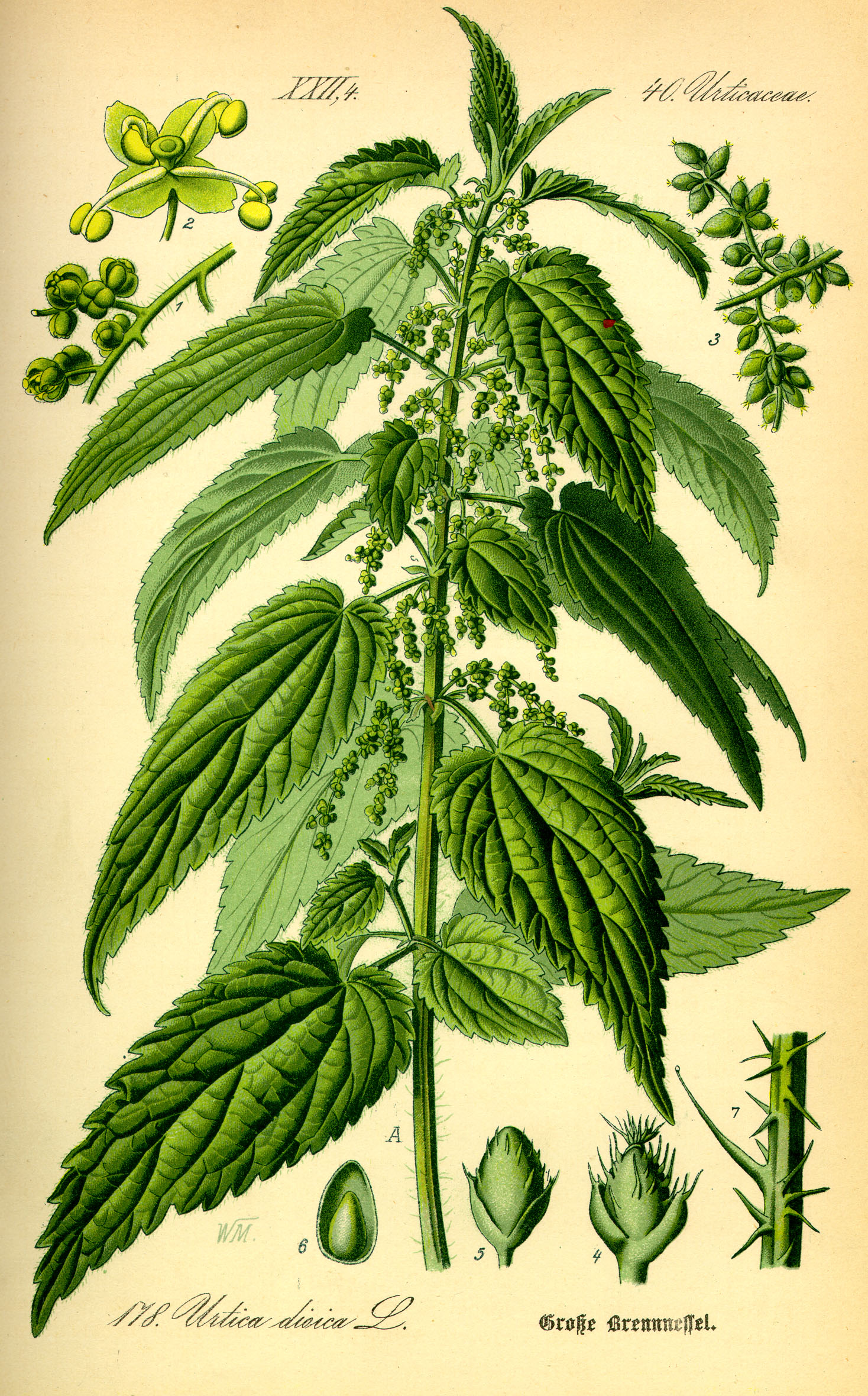
Nettle
Urtica dioica
Traditionally used —the plant that stings you in the woods is also one of the most nutrient-dense and clinically validated herbs in european folk medicine. used since neolithic times for allergies, joint pain, anemia, and as a spring tonic. once cooked or dried, the stinging hairs become harmless and reveal a mineral-rich, anti-inflammatory medicine.

Calendula
Calendula officinalis
Traditionally used —a bright orange flower used as topical medicine across europe and the mediterranean for over a thousand years. one of the most well-studied wound-healing and skin-soothing herbs, found in baby diaper rash creams, post-surgical care products, and dermatology research worldwide. not the same as the ornamental marigolds in garden centers (those are tagetes).

Pineapple
Ananas comosus
Traditionally used —a tropical fruit native to south america, spread by indigenous peoples across the americas and carried worldwide after european contact. beyond its sweetness it is the main natural source of bromelain, a group of protein-digesting enzymes with real medicinal use. tropical folk medicine used the juice and flesh for digestion, sore throats, wounds, and intestinal worms. modern interest centers almost entirely on bromelain.

Broccoli
Brassica oleracea var. italica
Traditionally used —an italian-bred member of the cabbage family that has become the flagship of cancer-prevention nutrition research. broccoli, and even more so its young sprouts, is the leading dietary source of sulforaphane, a compound that switches on the body own protective and detoxifying enzymes. it is one of the few common vegetables where the laboratory science genuinely backs the healthy reputation, even if the human outcomes are still being worked out.

Turmeric
Curcuma longa
Traditionally used —A golden rhizome that has anchored Indian medicine and cuisine for over 4,000 years. Its primary active compound, curcumin, is one of the most-studied plant compounds in modern research.

Cabbage
Brassica oleracea var. capitata
Traditionally used —a dense leafy head from the cabbage family, one of the oldest vegetables in europe and one of the few common foods with several genuine, non-folkloric medicinal uses. cooled cabbage leaves wrapped around a swollen, sore breast or an inflamed joint are a recognized remedy for engorgement and pain. raw cabbage juice was studied in the 1950s for healing stomach ulcers. fermented as sauerkraut, it becomes a source of gut-friendly bacteria.

Boswellia
Boswellia serrata
Traditionally used —the resin of a gnarled tree native to the dry hill country of india, tapped from the bark much like maple syrup. this is the indian cousin of the frankincense burned as incense, but here the resin is taken internally as one of ayurvedas main remedies for joint and inflammatory complaints. ayurvedic physicians have used it for well over a thousand years under the name shallaki, mainly for arthritis, stiff joints, and inflamed tissue. modern supplement makers sell it as a standardized extract because its anti-inflammatory compounds, the boswellic acids, are now some of the better-studied plant chemicals for joint pain.
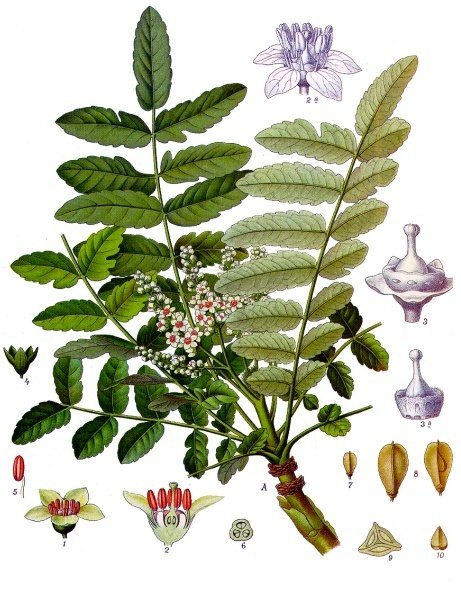
Frankincense
Boswellia serrata
Traditionally used —a milky resin tapped from the bark of small trees that grow in the harsh dry mountains of oman, yemen, somalia, and india. burned in sacred ceremonies for at least five thousand years and prescribed in the worlds oldest medical texts for joint pain and inflammation.